Tesla is converting its Fremont factory Model S and Model X line into Optimus manufacturing. Model S and X production ends in Q2 2026. Then the line becomes a robot factory.
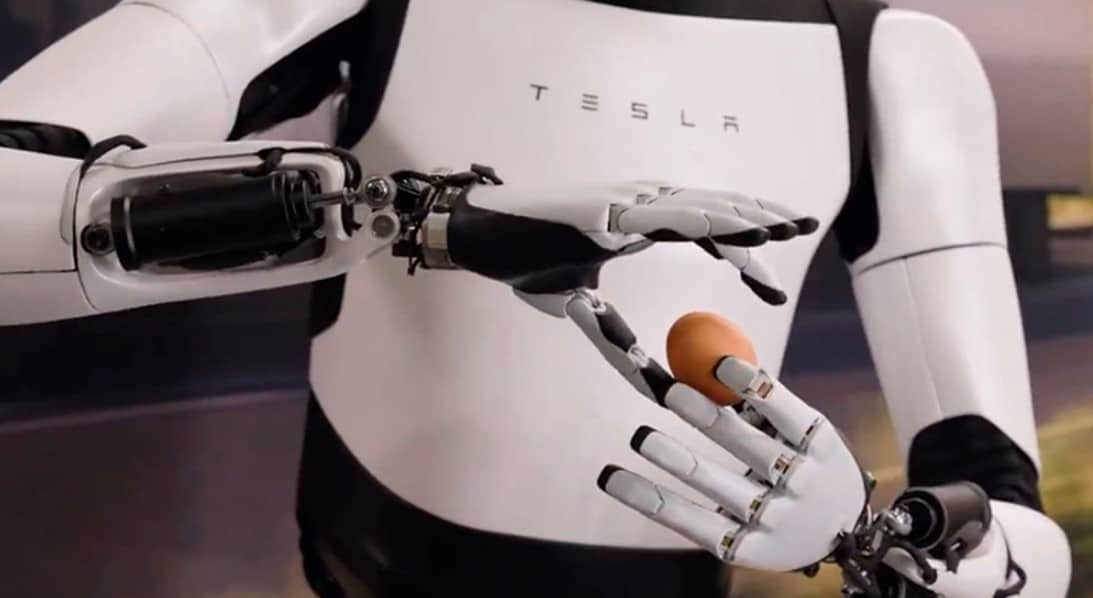
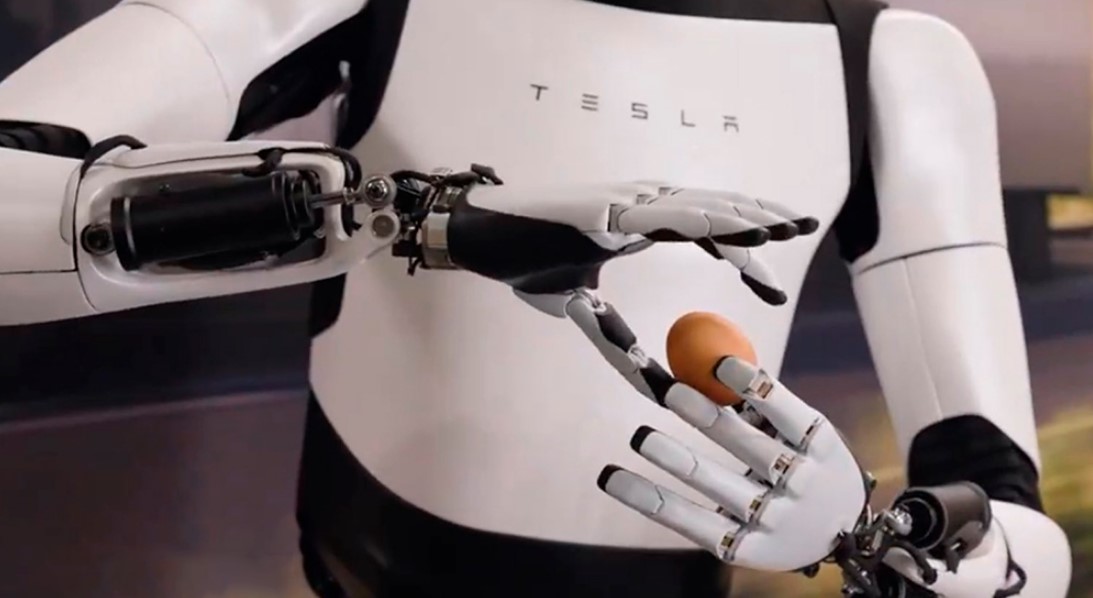
Optimus Gen 3 hands are in first 24-hour industrial shift tests as of June. The hands represent major progress. Gen 3 doubles dexterity to 22 degrees of freedom. The design moves 25 actuators per side into the forearm. Fingers work with tendons instead of motors in the hand.
This is how human hands work. Motors in the forearm, cables that run to the fingers, creating motion through mechanical advantage. Tesla’s approach mirrors evolution because evolution solved this problem well.
The robot isn’t for sale. No preorders. No waitlist. No announced consumer price yet. Availability targets are first enterprise customers late 2026, early 2027. Consumer availability target is end of 2027 at an estimated price of $20,000 to $30,000.
The current role of Optimus is data collection. Every hour of operation generates training data for the AI models that will eventually allow autonomous operation. Reliability isn’t there yet. Optimus can’t be deployed externally to do tasks it hasn’t been trained on.
Industrial testing matters because manufacturing is controlled. Same environment. Same tasks. Repeatable conditions. Tesla can run thousands of hours in a factory setting without risk. The data from those hours trains the next generation.
Low-volume production targets 2026. High-volume scaling targets 2027. The timelines are Tesla timelines, meaning they often slip. But the fact that Gen 3 hands are already testing industrially suggests progress is real.

Zoom Bangla News
inews.zoombangla.com
Follow iNews Zoombangla On Google
Open the Google follow page and tap the checkmark option to receive more updates from iNews Zoombangla in your Google news feed.