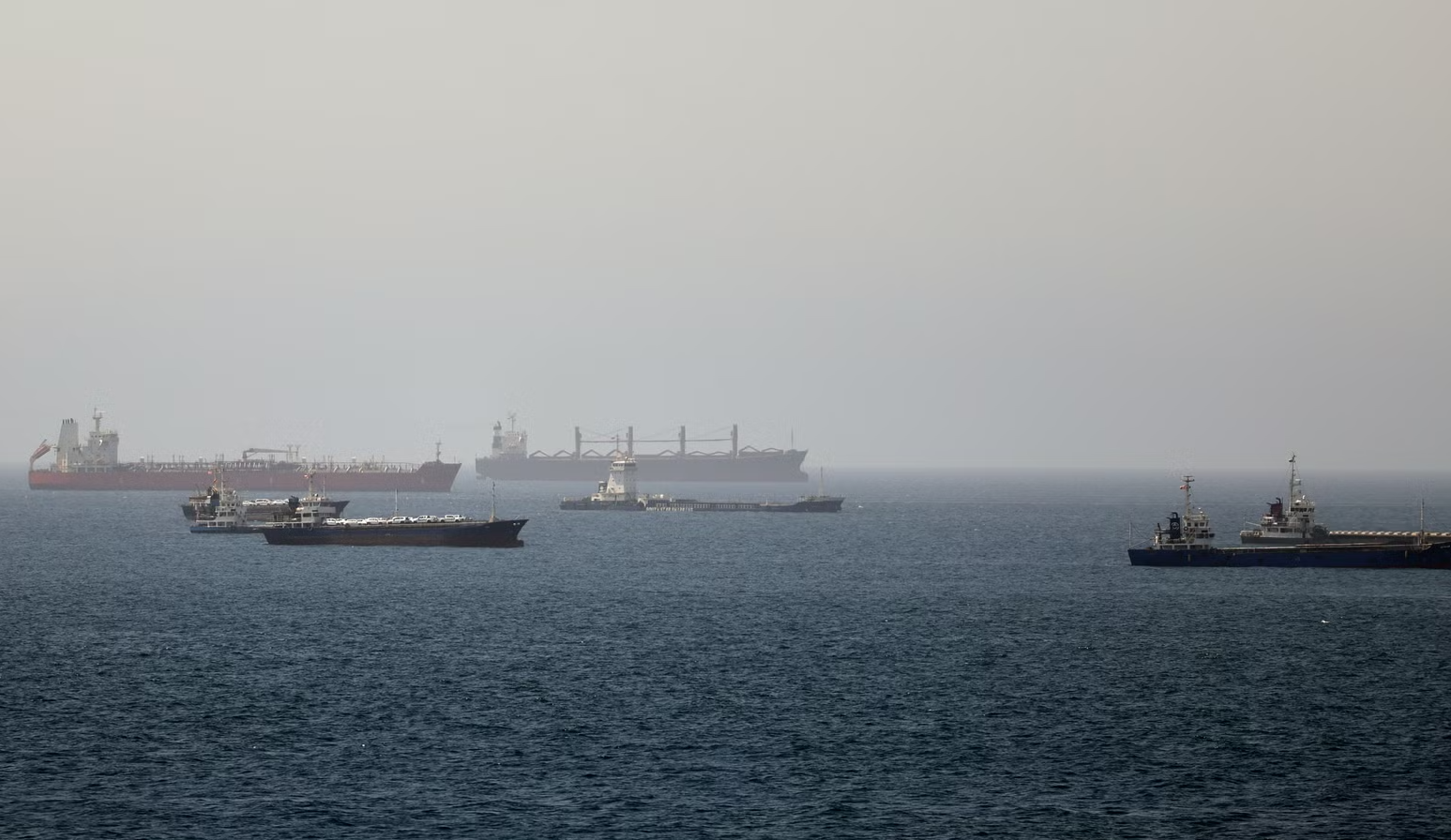
American warplanes hit Iranian missile and drone storage facilities on Friday after Iran launched drone attacks on a cargo ship navigating the Strait of Hormuz. US Central Command confirmed the strikes, calling them a direct response to what it described as a clear violation of a ceasefire agreement signed just one week earlier.
The targeted vessel was the M/V Ever Lovely, a Singapore-flagged cargo ship. Iran fired at least four one-way attack drones at ships transiting the strait on Thursday. The ship sustained damage but was able to continue on its route.
What the Ceasefire Said and Why Iran Struck Anyway
The memorandum of understanding, signed last week, required Iran to allow safe commercial passage through the Strait of Hormuz for 60 days. Around 20 percent of the world’s oil flowed through the strait before the wider conflict disrupted shipping.
Some vessels had been avoiding Iranian waters entirely, instead hugging the coastlines of the UAE and Oman’s Musandam Peninsula. Iranian officials appear to have viewed that alternate routing as a violation of the deal’s spirit, and that frustration reportedly triggered Thursday’s drone launches.
President Trump called the attack a “foolish violation” of the agreement. He said Iran had “shot at least four one-way attack drones at ships transversing the Strait of Hormuz” and made clear the US response would be firm.

Strikes Hit Radar Sites and Weapons Depots Along the Coast
US Central Command said American aircraft struck Iranian missile and drone storage sites along with coastal radar installations. The statement described the operation as a “powerful response” designed to degrade Iran’s capacity to threaten commercial shipping again.
Iran confirmed it had been hit and said it struck back at what it called US-linked targets. NBC News reported that Iran launched retaliatory strikes shortly after Washington announced the operation, raising concerns about the fragile ceasefire collapsing entirely.
Markets and Allies Watch Closely as Tensions Rise Again
European governments urged both sides to step back and recommit to the terms of the original agreement. Gulf states with coastlines along the strait had been cautiously optimistic after last week’s deal, and Friday’s exchange of strikes has thrown that optimism into doubt.
Oil analysts noted that even a short disruption to Hormuz shipping lanes tends to push crude prices up sharply, particularly in Asian markets that depend heavily on Gulf exports. Tanker insurance premiums had already risen this week before the strikes were confirmed.
The Strait of Hormuz remains open as of Saturday morning, but the one-week-old ceasefire is now under serious strain.
FYI (keeping you in the loop)
What happened in the Strait of Hormuz in June 2026?
Iran launched drone attacks on the M/V Ever Lovely on June 26. The US responded with airstrikes on Iranian missile and radar sites, calling it a ceasefire violation response.
References
Bloomberg. (2026). US Strikes Iran in Response to Ship Attack in Strait of Hormuz. June 26, 2026.
NBC News. (2026). Iran says it has struck US-linked targets as tensions flare up over Hormuz. June 26, 2026.
Fox News. (2026). US strikes Iran after Strait of Hormuz cargo ship attack. June 26, 2026.

Zoom Bangla News
inews.zoombangla.com
Follow iNews Zoombangla On Google
Open the Google follow page and tap the checkmark option to receive more updates from iNews Zoombangla in your Google news feed.